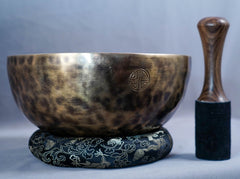
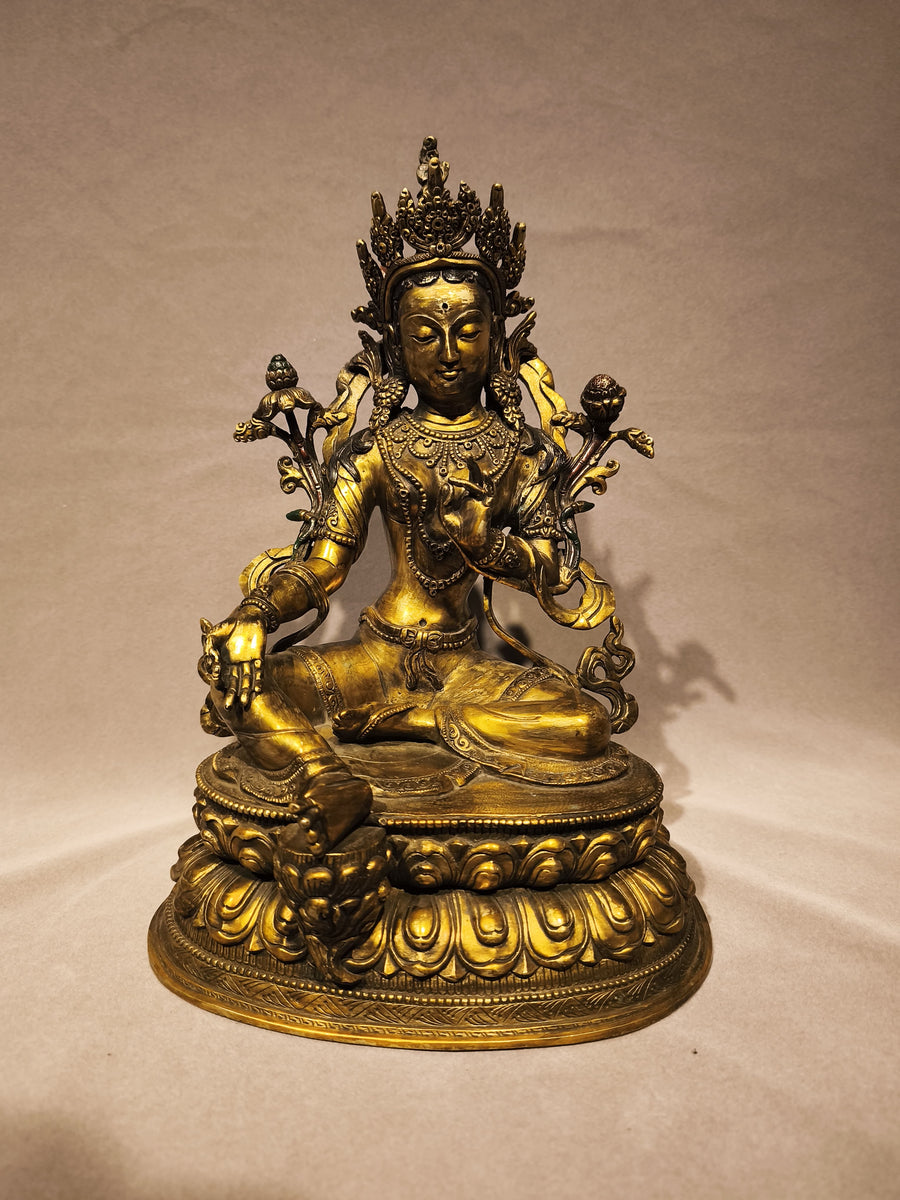
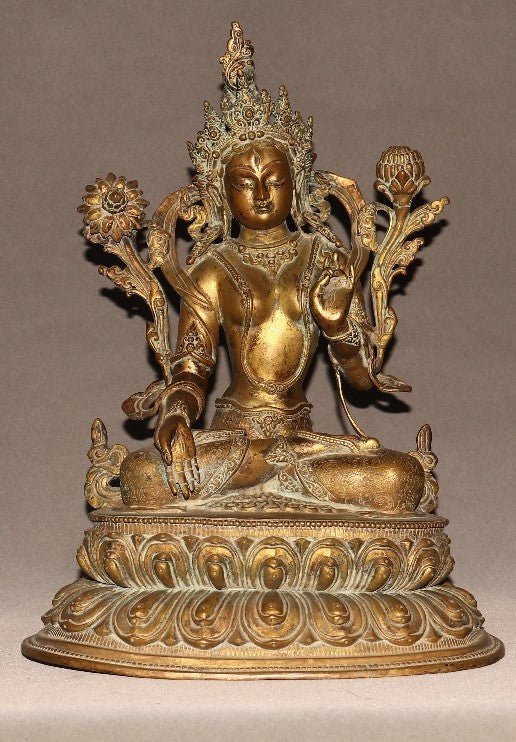
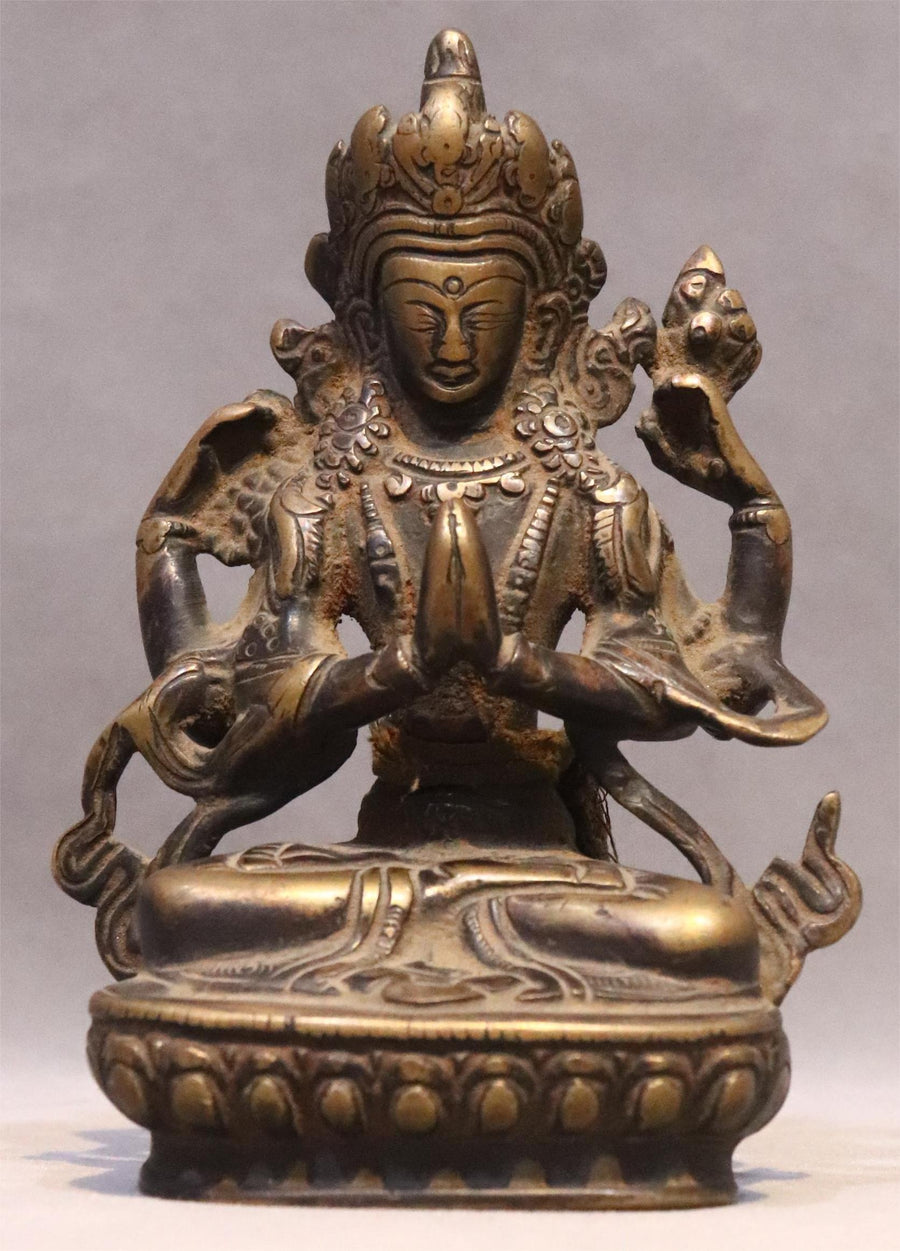
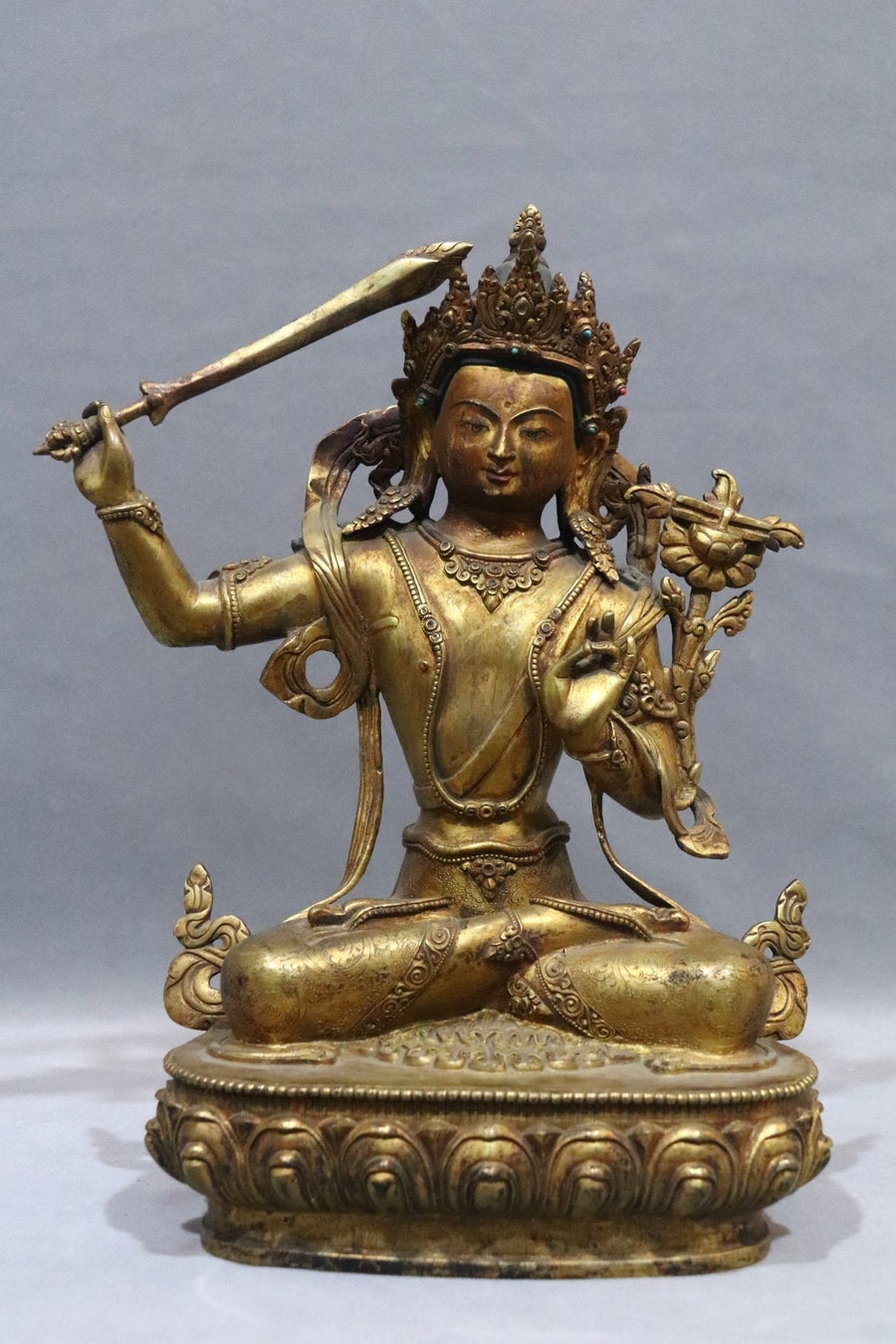
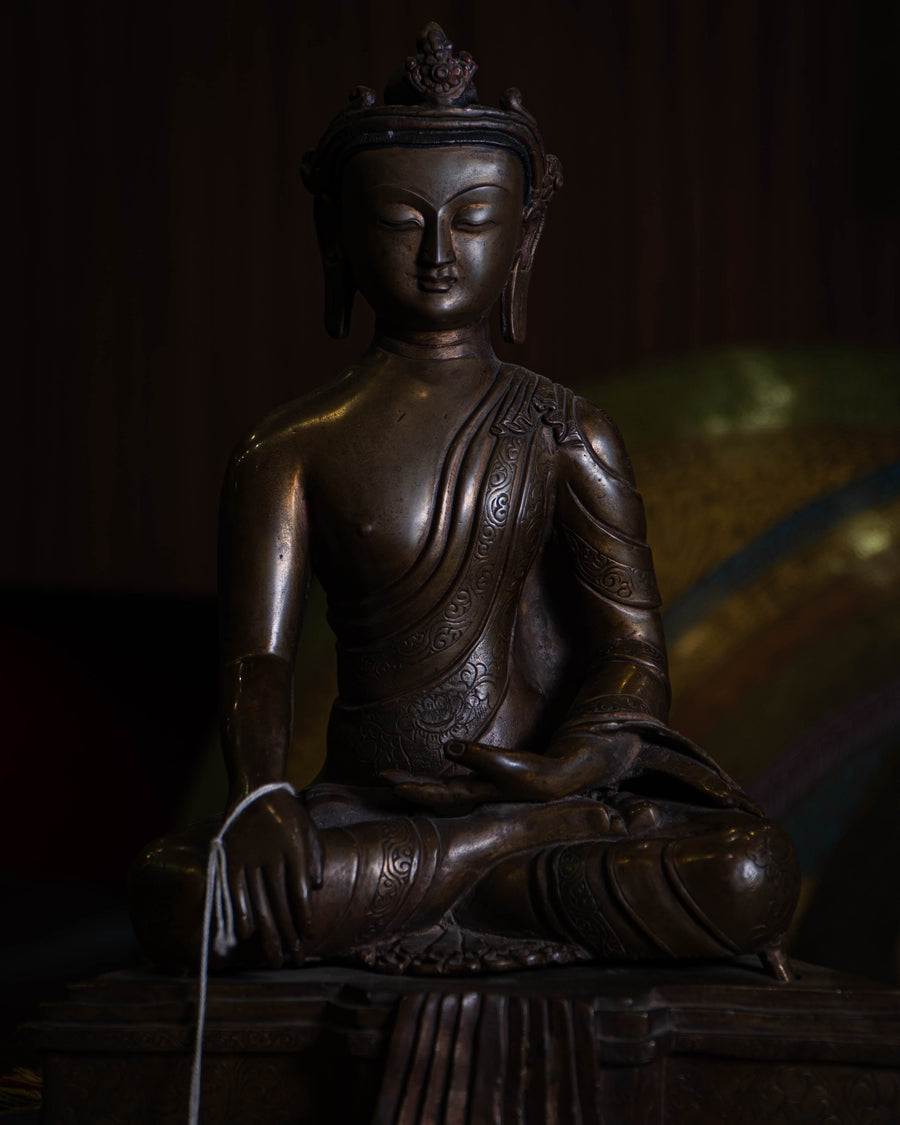
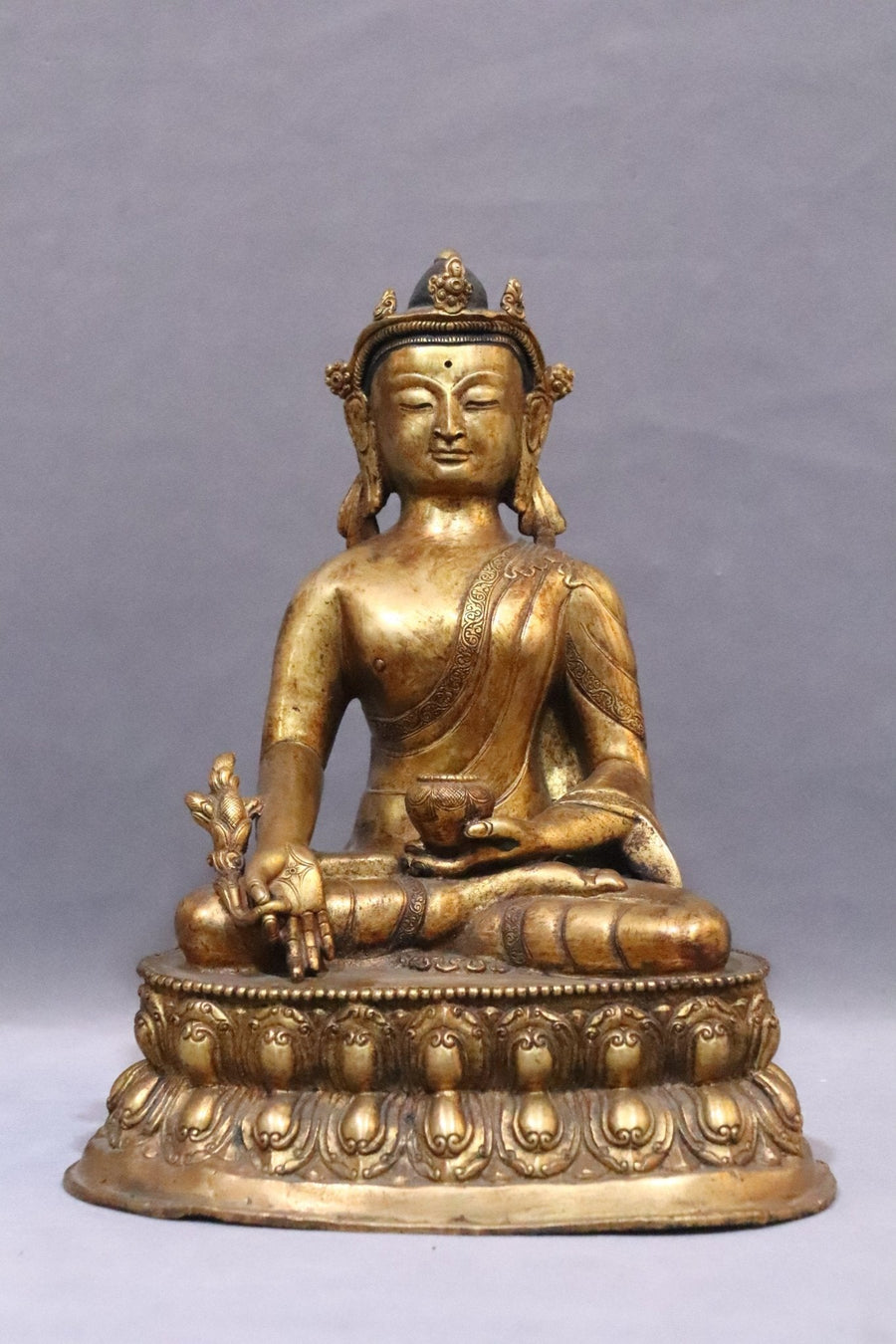
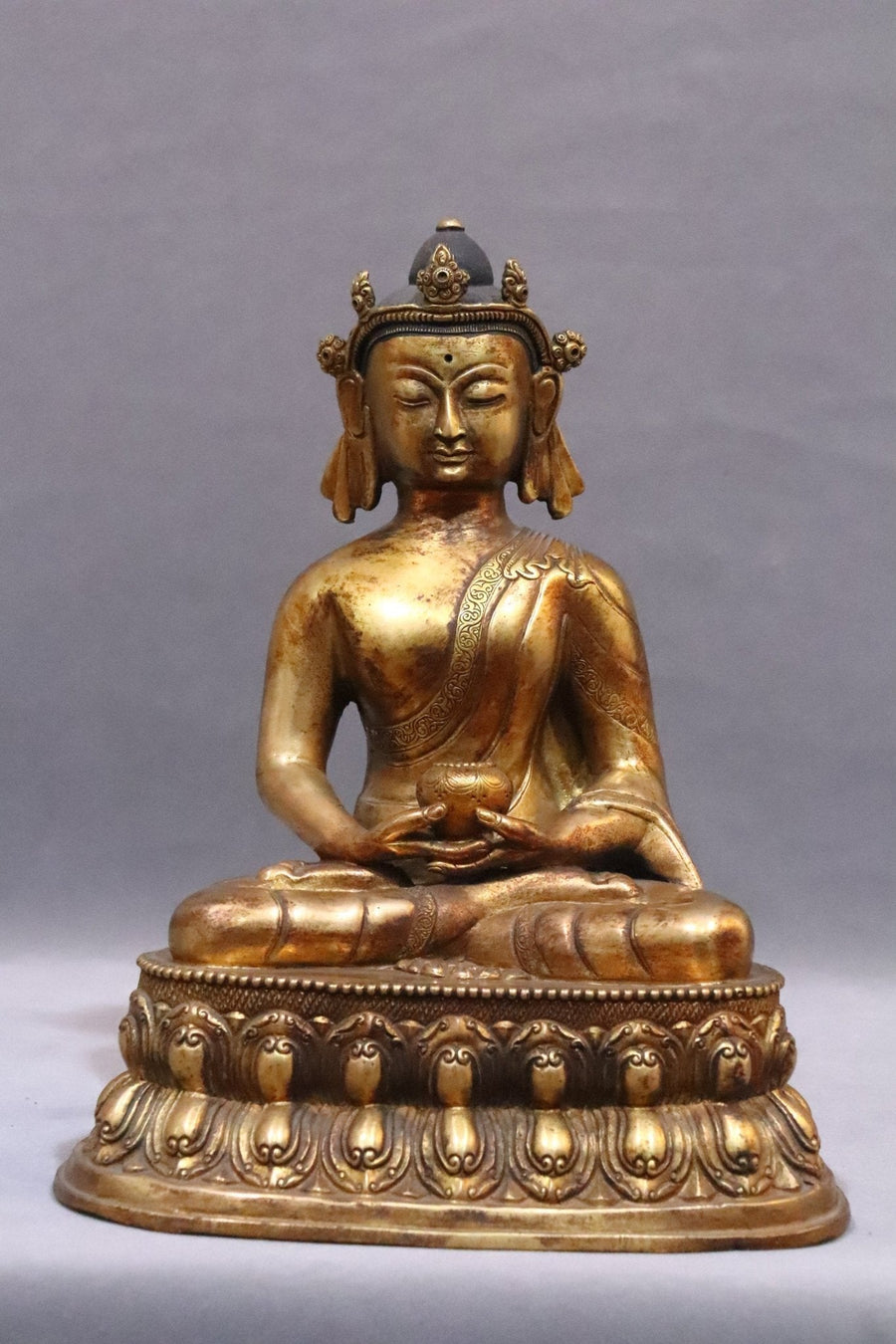
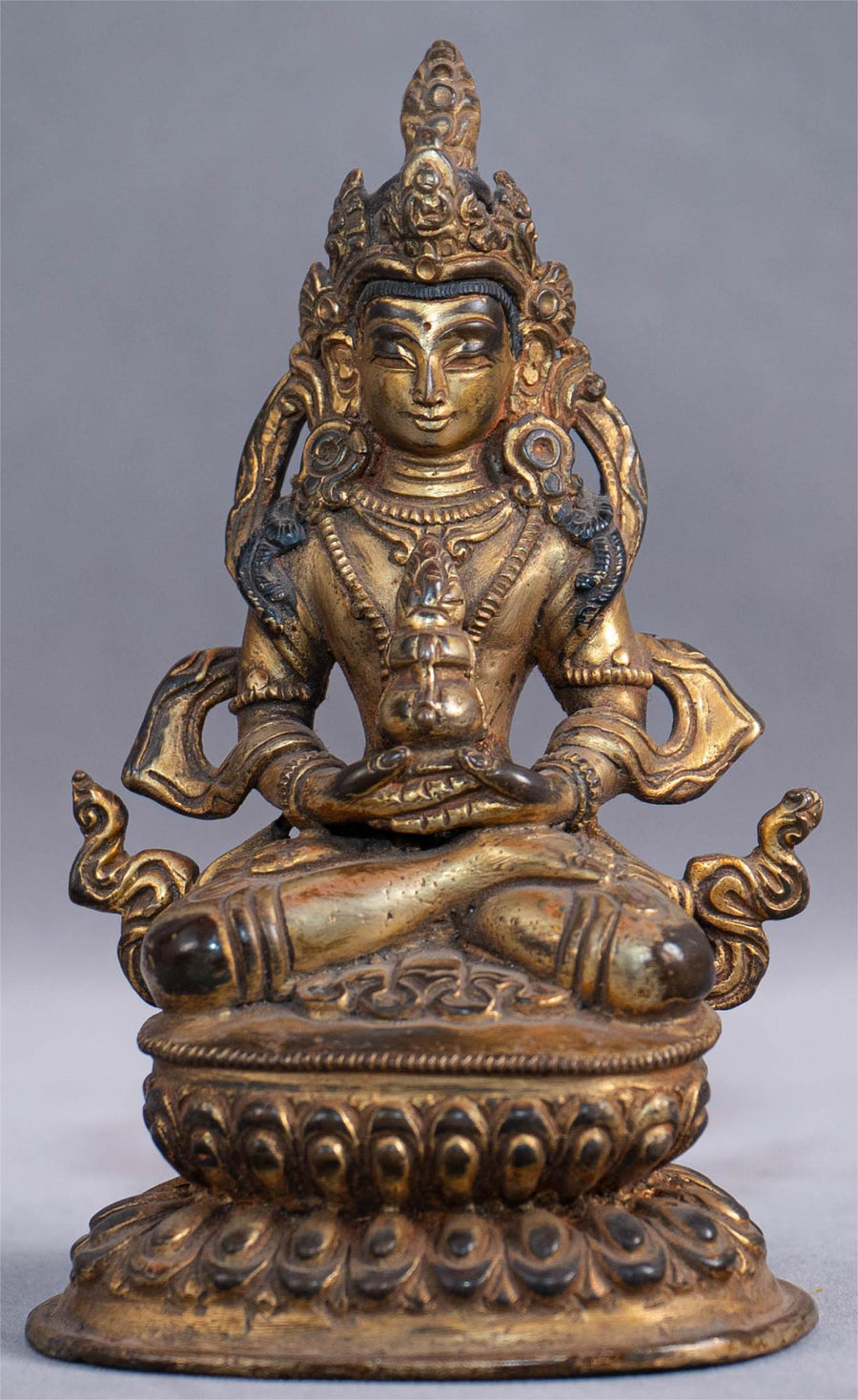
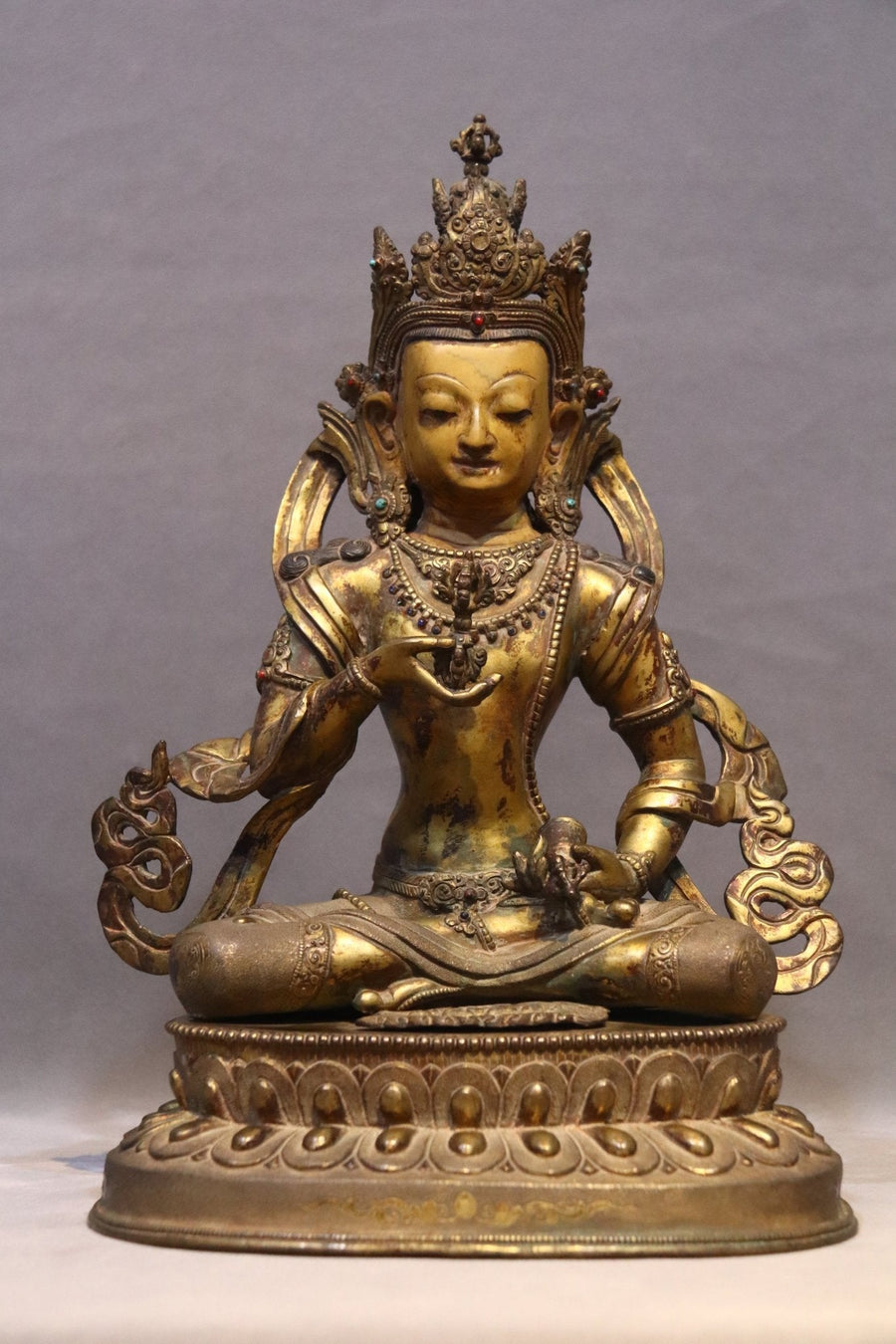
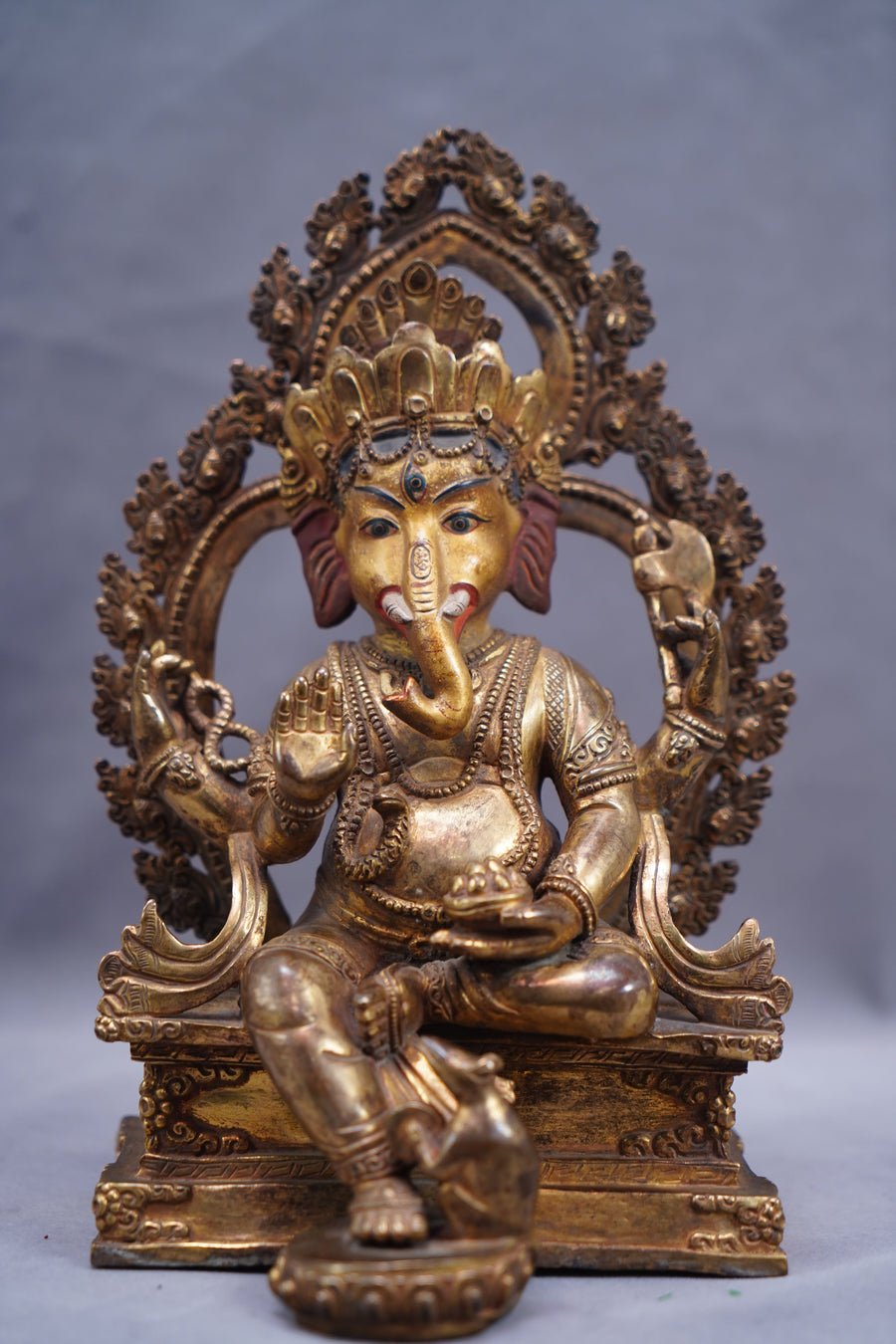
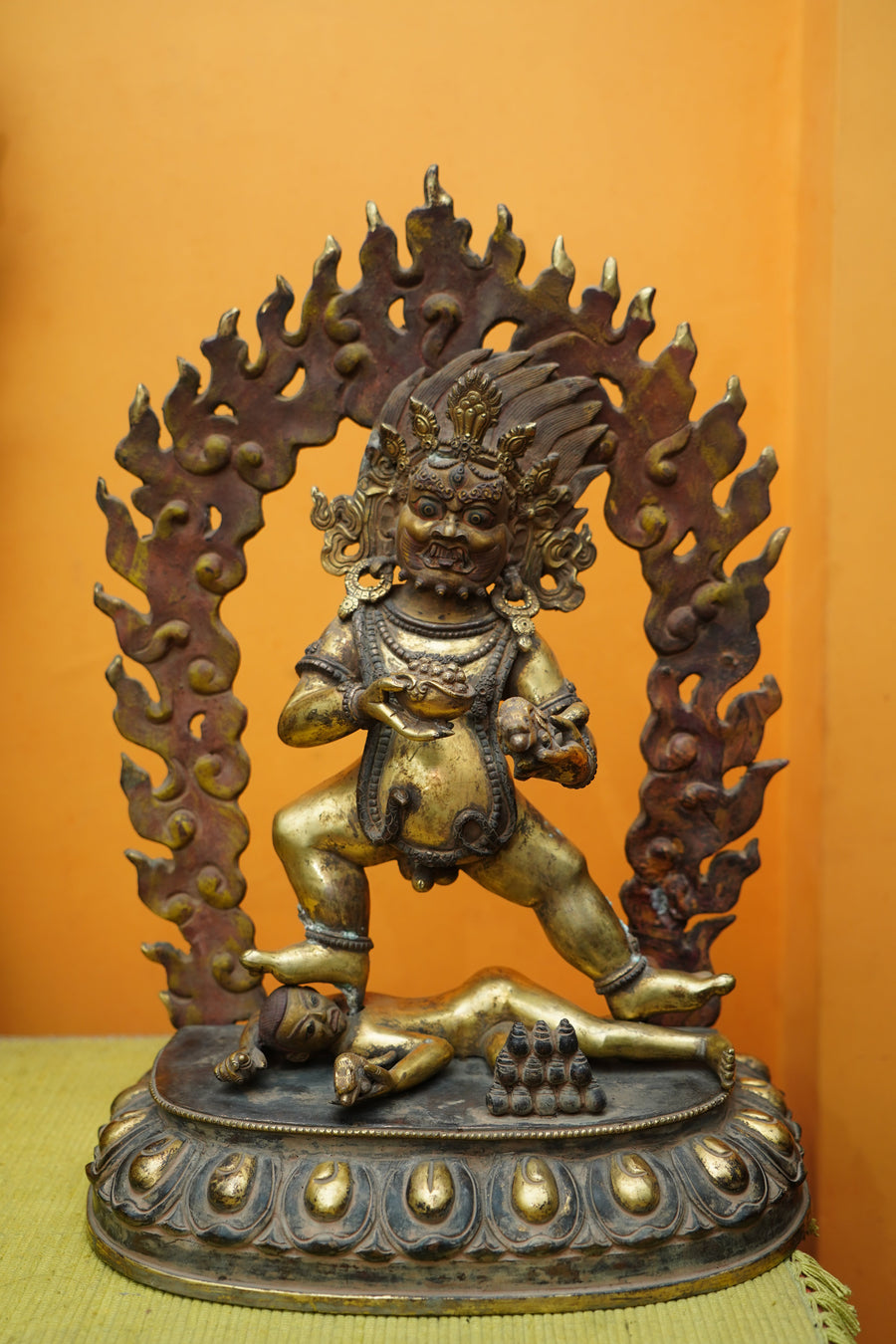
药师佛纯铜手工雕像
Price
$1,346.01

Photo: Volo817, CC BY-SA 4.0
Where our statues come from
We collect our statues directly from the people who make them: family workshops in Patan and in the artisan villages and communities of the Kathmandu Valley, where the craft is handed down from parent to child. Their families have cast statues for the valley's temples and homes for generations.
We collect each statue from the workshop or the family that made it, so we know where it comes from and whose hands shaped it.
Cast in lost wax, chased by hand with small chisels, then gilded, painted or darkened, the way Newar statues have been made for a thousand years.
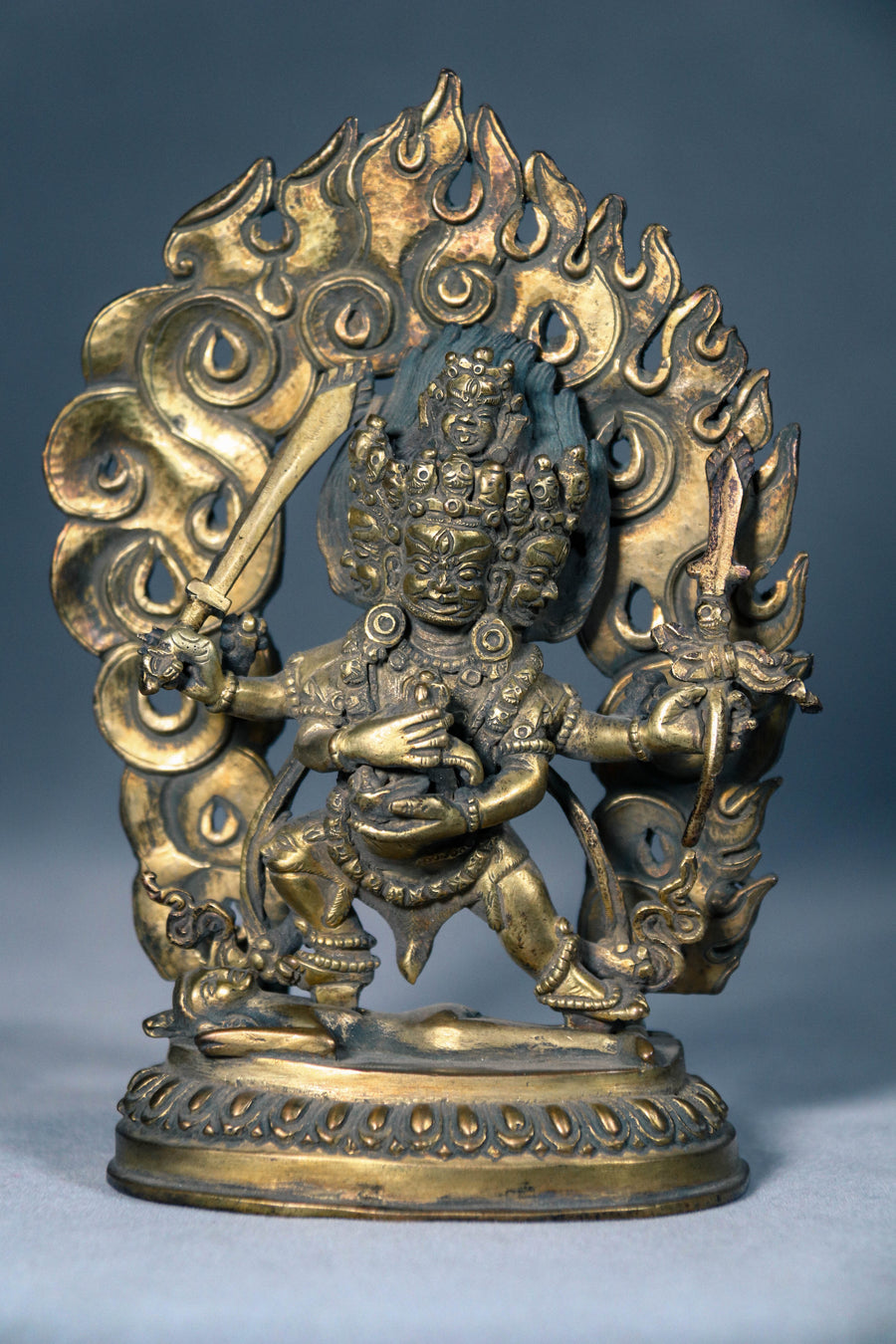
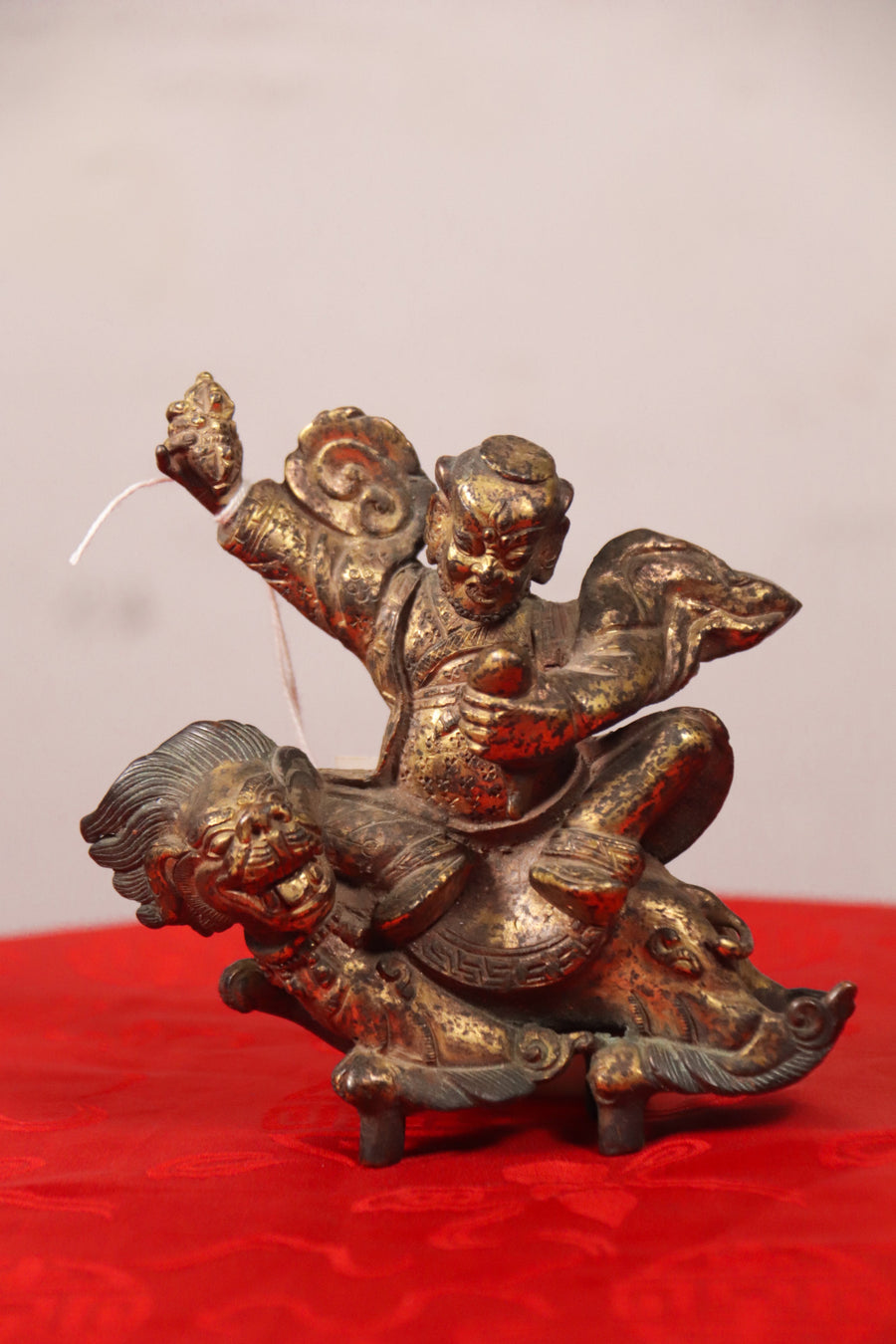
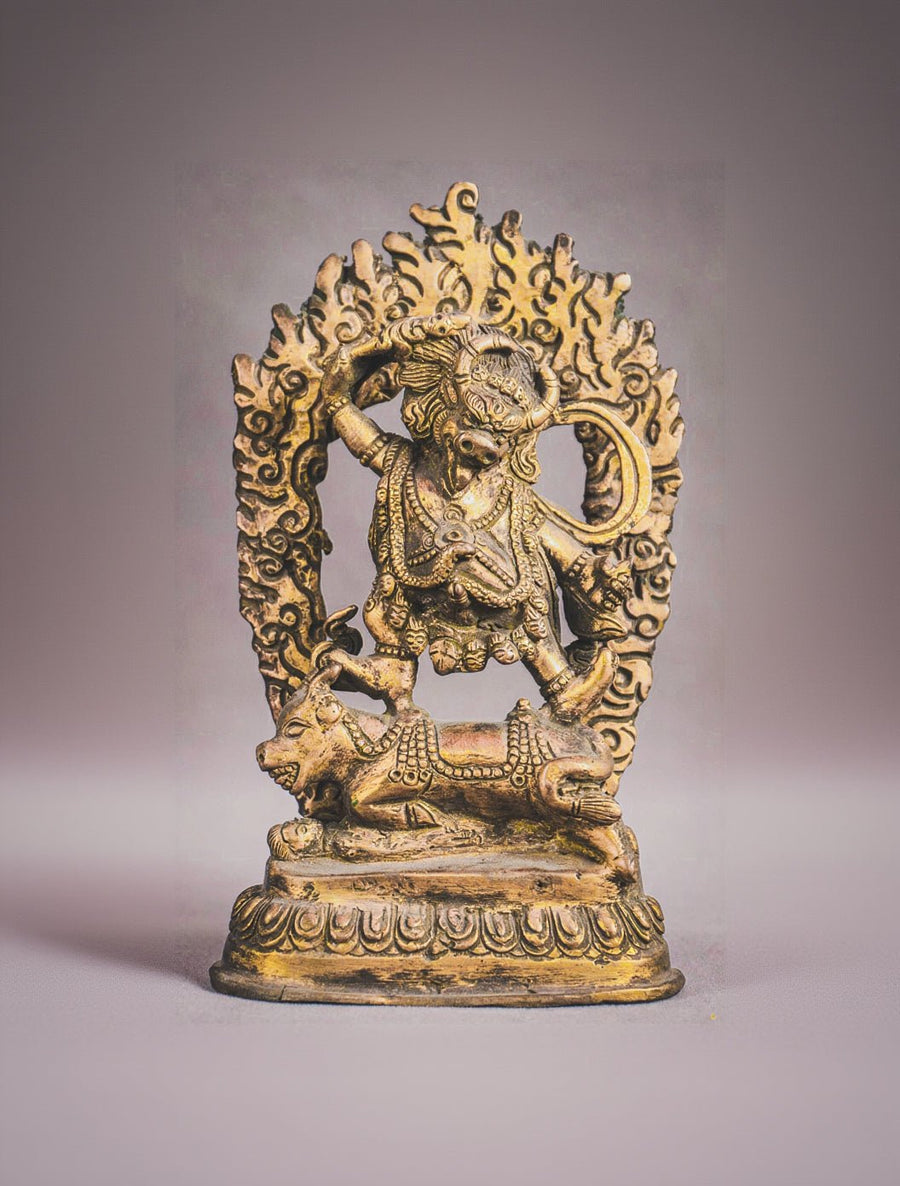
Every statue is photographed from several sides. A one-of-a-kind piece is the very statue you receive.
Our statues are newly made. Nothing is taken from a temple, and every piece can leave Nepal legally.
Buying from the makers keeps the money with the families who keep this tradition alive.
How it was made
Metal statues like this one are cast by Newar artisans of the Kathmandu Valley the way their families have cast them for centuries: in lost wax, then finished by hand for days or weeks.
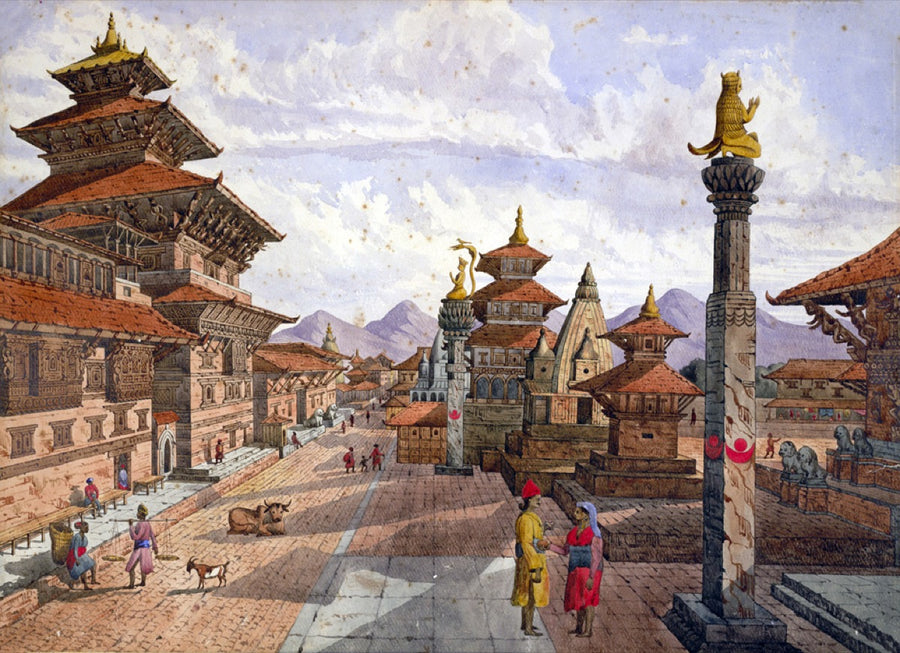
The sculptor models the statue in beeswax softened with resin: warm enough to shape a face and fingers, firm enough to hold the smallest jewel.
The wax is covered in coats of fine clay and left to dry, with small channels open for the metal to enter.
The mould is heated until the wax melts and runs out, leaving a hollow in its exact shape. Molten copper or bronze is poured in.
Once the metal cools, the clay is broken away. A lost-wax mould can be used only once.
With small chisels and punches the artist works over every surface: the eyes, the hair, the lotus petals, the patterns of the robe.
The statue is gilded, darkened or polished, and many faces are painted with gold and pigment. Painting the eyes comes last: it is when a statue is said to come alive.
The questions people ask us most. Anything else, write to us.
Ask us a questionFor pieces sold one at a time, yes: each has its own listing, and the photos and size are of that statue. If a listing offers several pieces or sizes, they are made in small batches and vary a little from the photos.
Copper takes fine chiselling and gold beautifully, so it is the classic metal of Newar statues. Bronze, copper with tin, is harder and darkens with age. A statue may then be gilded, darkened to an antique tone or left as bright copper. Each listing names its metal and finish.
That is your choice. Many families take a new statue to a monastery or temple, where it is filled with rolled prayers and blessed. If you would like to know whether a particular statue can be filled, write to us before you buy.
No. Many people keep a statue as a work of art, a reminder or a focus for quiet moments. It is simply kind to treat it with respect: give it a clean place at or above eye level, not the floor or a bathroom, and don't use it as a bookend.
Yes. Write to us and we'll gladly send more pictures of the piece.
Every statue is wrapped by hand for the journey, and shipping is free on orders over $150. See our refund policy for returns.
Your order ships free