Buddhas — Symbols of Peace and Enlightenment
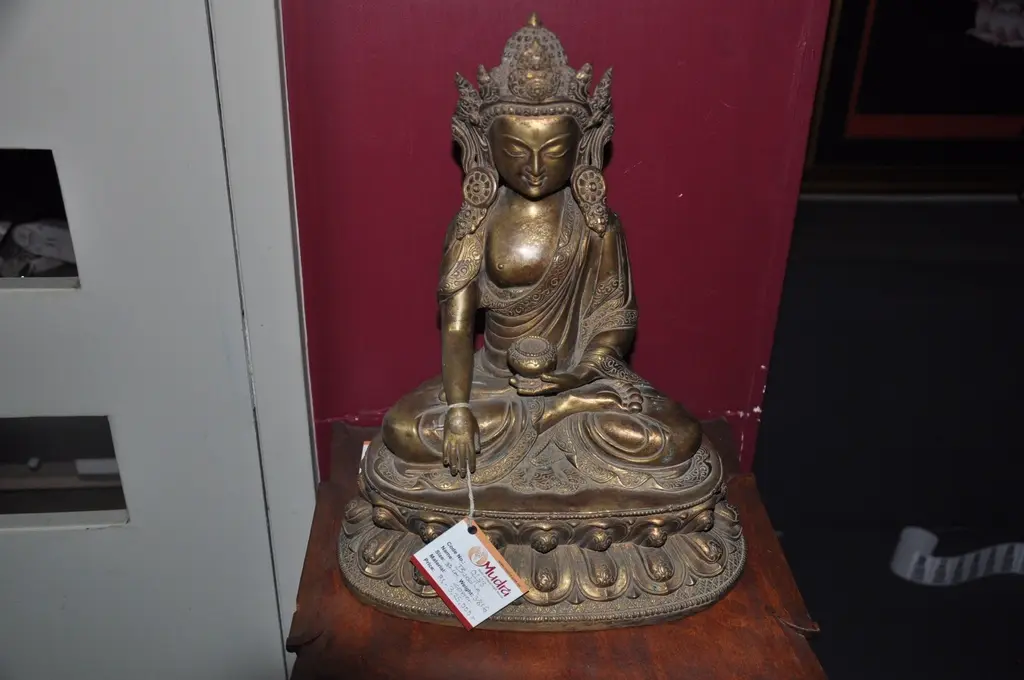
The image of the Buddha is one of the most peaceful and inspiring symbols in the world. Beyond the sculpture or statue lies a deeper spiritual meaning — representing the ultimate state of enlightenment, wisdom, and boundless compassion. Each form of Buddha reflects a unique aspect of awakened consciousness, guiding devotees on their spiritual path toward liberation.
The Adi Buddha — Source of All Enlightenment
At the foundation of all Buddhas lies the Adi Buddha, also known as the Primordial Buddha. In Vajrayana Buddhism, the Adi Buddha is regarded as the first enlightened being, the essence from which all Buddhas arise. He is often depicted as Samantabhadra or Vajradhara, seated in serene meditation, symbolizing infinite wisdom and the unity of all existence.
The Five Dhyani Buddhas — Pancha Buddhas of Wisdom
Central to Mahayana and Vajrayana traditions are the Five Dhyani Buddhas, also known as the Pancha Buddhas. They represent five forms of transcendent wisdom and transformation:
- Vairocana – Embodies the wisdom of universal truth (white color, center)
- Akshobhya – Symbol of mirror-like wisdom (blue, east)
- Ratnasambhava – Represents the wisdom of equality (yellow, south)
- Amitabha – The wisdom of discriminating awareness (red, west)
- Amoghasiddhi – The wisdom of perfect action (green, north)
These five Buddhas are often depicted together in mandalas or statue sets, forming a complete representation of enlightenment.
Buddhas of Aeons — Enlightenment Across Time
Throughout Buddhist history, several Buddhas have appeared in different eras, known as the Buddhas of Aeons.
- Dipankara Buddha — The Buddha of the distant past, who foretold the coming of Shakyamuni.
- Kashyapa Buddha — The Buddha of the previous age.
- Shakyamuni Buddha — The historical Buddha of our present era, who shared the teachings (Dharma) with the world.
Specific and Functional Buddhas — Divine Aspects of Practice
In addition to the cosmic Buddhas, many Functional Buddhas embody specific virtues and practices:
- Medicine Buddha (Bhaisajyaguru) — The Buddha of healing and compassion, depicted in deep blue.
- Amitayus — The Buddha of longevity, vitality, and eternal life, often shown holding a vase of nectar.
- Vajrasattva — Symbol of purification and inner transformation, essential in Vajrayana practices.
Each of these Buddhas plays a vital role in guiding practitioners toward balance, health, and spiritual cleansing.
Buddha Statues and Art in Nepal
Nepal is renowned as one of the most sacred lands of Buddhism — the birthplace of Lord Shakyamuni Buddha. Nepali artisans, particularly from the Newar community, have mastered the craft of sculpting exquisite Buddha statues using traditional techniques passed down through generations.
These handmade statues, crafted in bronze, brass, copper, or even gold, are known for their fine detail and spiritual depth. Each piece is created with devotion, following ancient iconographic guidelines that ensure both beauty and authenticity.
The Symbolism of Buddha Statues
Buddha statues are not mere decorations — they serve as reminders of inner peace, mindfulness, and compassion. Placing a Buddha statue in a home, temple, or meditation space invokes serenity and spiritual energy, inspiring practitioners to follow the path of wisdom and harmony.
From the Primordial Adi Buddha to the Medicine Buddha, each image holds a unique blessing, guiding the mind toward enlightenment.