Hindu Deities — Integrated into the Buddhist Pantheon
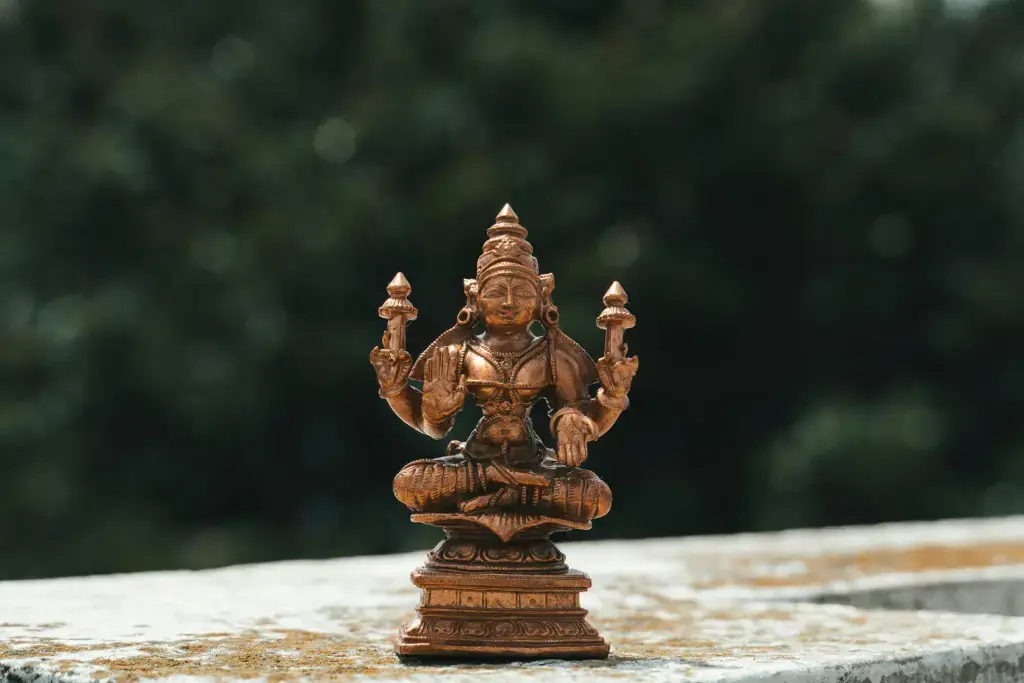
In Buddhist practice, several Hindu deities have been incorporated into the pantheon, serving as symbols of wisdom, protection, abundance, and spiritual guidance. These deities are revered not as external gods, but as representations of inner virtues and enlightened qualities, helping practitioners cultivate mindfulness, compassion, and insight.
Shiva — The Cosmic Transformer
Shiva represents the power of transformation and the destruction of ignorance. In Buddhist contexts, he symbolizes the inner strength required to overcome obstacles and awaken latent potential. Often depicted with a trident and crescent moon, Shiva inspires courage, discipline, and clarity.
Vishnu — The Preserver and Protector
Vishnu embodies harmony, protection, and stability. His presence in Buddhist iconography reminds practitioners to uphold balance in life, protect the Dharma, and cultivate patience and resilience. Vishnu encourages the mind to remain calm amidst challenges, supporting steady spiritual progress.
Ganesha — Remover of Obstacles
Ganesha, the elephant-headed deity, is a guide for overcoming challenges, both external and internal. His wisdom aids in clearing the path for spiritual growth, study, and success in worldly and meditative endeavors. Ganesha also teaches humility, focus, and perseverance.
Saraswati — Goddess of Knowledge
Saraswati represents wisdom, learning, and creative insight. Meditating on her qualities encourages clarity of thought, mastery of skills, and the cultivation of insight on the path to enlightenment. She inspires both intellectual and artistic growth, reminding practitioners of the power of knowledge used with compassion.
Lakshmi — Goddess of Abundance
Lakshmi embodies wealth, generosity, and prosperity. In Buddhist practice, she teaches the importance of giving and receiving with gratitude, showing that true abundance flows from spiritual balance and kindness. Her presence reminds practitioners to align material wealth with ethical and spiritual principles.
Apsara — Celestial Grace and Beauty
Apsaras are ethereal beings representing elegance, movement, and the flow of awareness. They inspire joy, mindfulness, and the refinement of one’s inner and outer actions. Their graceful presence encourages harmony between body, mind, and spirit.
The Practice and Symbolism
Meditating on these deities is more than devotion—it is a practice of connecting with the qualities they embody. Through visualization, reflection, and mindful study, practitioners cultivate wisdom, compassion, generosity, courage, and clarity. These deities act as bridges—linking Hindu and Buddhist traditions, outer symbolism and inner experience—guiding the seeker toward spiritual realization and balanced living.